 Medical Practices
 Medical Practices
On Early Rural Farms
Tap or Click the arrow to play audio
Around 1900, medical care in rural areas like Ellis County, was limited, informal, and often improvised. Most families relied on home remedies passed down through generations. Plants and herbs were used to treat common ailments.
Older women with knowledge of traditional medicine often served as local healers and midwives. Babies were nearly always delivered at home with the help of a midwife or experienced family member. There were no hospitals in rural areas, and few in Texas at all at the time.
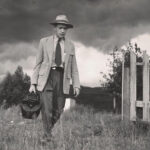
A small number of trained physicians would travel long distances by horseback, buggy or wagon to visit patients, often for a modest fee—or in exchange for goods or services. A single doctor might serve an entire county, and visits could be delayed by weather or distance. Doctors often carried a small medical bag with basic instruments and a few remedies.
Families sometimes traveled to larger nearby towns to see a physician if the illness was serious enough and transportation was available. With poor roads and long distances, many rural people couldn’t make or afford the trip unless absolutely necessary.
Many general stores sold patent medicines (often alcohol- or opium-based) advertised as cures for everything. These remedies were unregulated, often useless and sometimes dangerous.
Prayer, faith healing, and laying on of hands were common in deeply religious communities.
In emergencies, the community would band together, sometimes sending someone on horseback to fetch the doctor.
Preventive care was minimal. Vaccinations and formal public health outreach were less widespread in remote rural spots.
Infectious diseases such as tuberculosis, diphtheria, and influenza posed big threats. Isolation, quarantine, and hygiene education gradually came into use.